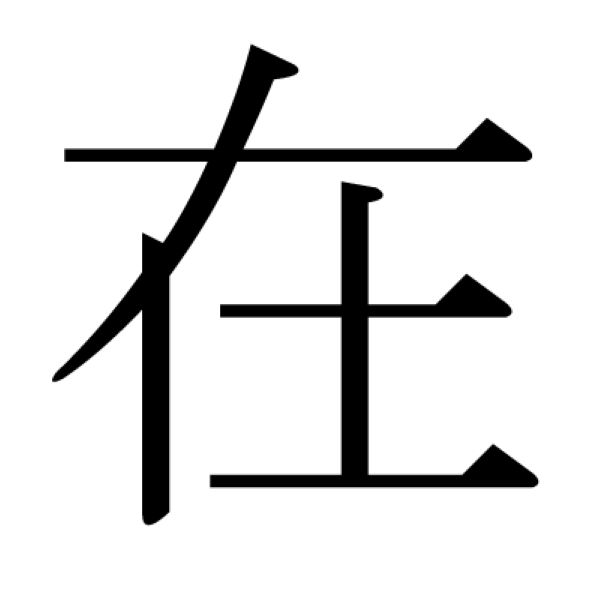
In Mandarin Chinese, 在 (zài) is one of the most common and essential words used to talk about locations and places. Whether you want to say where you are, ask about the location of a person or object, or describe where an activity takes place, 在 plays an important role in everyday Chinese communication. In this article, we’ll explore the main uses of 在 to express location through sentence structures, practical examples, summary tables, and common mistakes, helping you understand and apply these patterns in familiar situations.
1. What Does 在 (zài) Mean When Expressing Location?
When used to express location, 在 (zài) generally means “to be at,” “to be in,” or “to be on,” depending on the context.
It can identify the location of a person or object or indicate where an action takes place.
Examples:
我在家。 / Wǒ zài jiā. / I’m at home.
他在学校。 / Tā zài xuéxiào. / He is at school.
书在桌子上。 / Shū zài zhuōzi shàng. / The book is on the table.
In these sentences, 在 identifies the location of the subject.
However, when describing where an action takes place, 在 usually comes before the location phrase and the main verb.
Summary Table: Using 在 to Express Location
| Usage | Sentence Pattern | Meaning |
|---|---|---|
| Identifying location | Subject + 在 + Place | Where someone or something is |
| Describing where an action takes place | Subject + 在 + Place + Verb | Where an activity happens |
| Asking about location | Subject + 在哪里? | Where is someone or something? |
| Negative location | Subject + 不在 + Place | Not at a particular place |
| Describing specific positions | Subject + 在 + Place + Direction Word | On, under, inside, in front of, behind, etc. |
These are the basic structures beginners should understand before exploring more advanced uses of 在.
2. Using 在 to Say Where Someone or Something Is
This is the simplest and most common use of 在.
Sentence pattern: Subject + 在 + Place
In this structure, 在 functions as a verb indicating location, telling us where a person or object is.
Examples:
我在家。 / Wǒ zài jiā. / I’m at home.
老师在办公室。 / Lǎoshī zài bàngōngshì. / The teacher is in the office.
我的朋友在北京。 / Wǒ de péngyou zài Běijīng. / My friend is in Beijing.
手机在桌子上。 / Shǒujī zài zhuōzi shàng. / The phone is on the table.
猫在沙发下面。 / Māo zài shāfā xiàmiàn. / The cat is under the sofa.
In these sentences, 在 comes after the subject and before the location.
One important rule is that you do not need to add 是 (shì) before 在 when simply stating someone’s location.
For example:
- Unnatural as a neutral location statement: 我是在家。
- Natural: 我在家。
Note that 我是在家 can be grammatically correct in contexts involving emphasis or contrast. However, it is not the basic sentence pattern used to state a location.
3. Using 在 to Describe Where an Action Takes Place
Besides identifying where someone or something is, 在 can also indicate the location where an action happens.
In this case, 在 introduces a location phrase that comes before the main verb.
Sentence pattern: Subject + 在 + Place + Verb + Other Elements
Examples:
我在家学习。 / Wǒ zài jiā xuéxí. / I study at home.
他在学校工作。 / Tā zài xuéxiào gōngzuò. / He works at school.
我们在餐厅吃饭。 / Wǒmen zài cāntīng chīfàn. / We eat at a restaurant.
她在图书馆看书。 / Tā zài túshūguǎn kàn shū. / She reads books at the library.
他们在公园跑步。 / Tāmen zài gōngyuán pǎobù. / They run in the park.
In English, we usually say “I study at home,” placing the location after the verb.
In Mandarin Chinese, however, the normal word order is 我在家学习, with the 在 + location phrase appearing before the main verb.
Comparing the Two Structures
| Purpose | Sentence Pattern | Example |
|---|---|---|
| Stating a location | Subject + 在 + Place | 我在学校。 |
| Describing where an action happens | Subject + 在 + Place + Verb | 我在学校学习。 |
In the first sentence, the speaker simply states that they are at school.
In the second sentence, the speaker explains that studying takes place at school.
Understanding this difference is essential when building Chinese sentences with 在.
Keep in mind that some verbs, such as 住 (to live), 坐 (to sit), and 放 (to put), commonly take a 在 + location phrase after the verb. For example:
我住在北京。 / Wǒ zhù zài Běijīng. / I live in Beijing.
他坐在椅子上。 / Tā zuò zài yǐzi shàng. / He is sitting on a chair.
These are common patterns worth learning alongside the basic word order.
4. How to Ask Questions and Make Negative Sentences with 在
When you want to ask where someone is or say that a person is not at a particular location, you can use several simple structures with 在.
Asking About Location with 在哪里 or 在哪儿
Sentence pattern: Subject + 在哪里 / 在哪儿?
Both 哪里 (nǎlǐ) and 哪儿 (nǎr) mean “where.”
哪儿 is particularly common in spoken Northern Mandarin, while 哪里 is widely used across different regions.
Examples:
你在哪里? / Nǐ zài nǎlǐ? / Where are you?
洗手间在哪里? / Xǐshǒujiān zài nǎlǐ? / Where is the restroom?
我的手机在哪儿? / Wǒ de shǒujī zài nǎr? / Where is my phone?
老师在哪里? / Lǎoshī zài nǎlǐ? / Where is the teacher?
You can also use 吗 (ma) to ask a yes-no question about someone’s location.
你在家吗? / Nǐ zài jiā ma? / Are you at home?
他在办公室吗? / Tā zài bàngōngshì ma? / Is he in the office?
Making Negative Sentences with 不在
To say that someone or something is not at a particular location, use 不在 (bú zài).
Sentence pattern: Subject + 不在 + Place
Examples:
我不在家。 / Wǒ bú zài jiā. / I’m not at home.
他不在学校。 / Tā bú zài xuéxiào. / He isn’t at school.
我的手机不在包里。 / Wǒ de shǒujī bú zài bāo lǐ. / My phone isn’t in my bag.
老师今天不在办公室。 / Lǎoshī jīntiān bú zài bàngōngshì. / The teacher isn’t in the office today.
In this structure, 不 comes before 在 to negate the location statement.
Summary Table: Affirmative, Negative, and Question Forms
| Sentence Type | Chinese Example | English Meaning |
|---|---|---|
| Affirmative | 他在家。 | He is at home. |
| Negative | 他不在家。 | He isn’t at home. |
| Location question | 他在哪里? | Where is he? |
| Yes-no question | 他在家吗? | Is he at home? |
| Affirmative short answer | 在。 | Yes, he is. |
| Negative short answer | 不在。 | No, he isn’t. |
5. Combining 在 with Chinese Location and Direction Words
To describe locations more precisely, 在 is often used with location and direction words such as 上, 下, 里, 前面, 后面, 左边, and 右边.
These words help explain where a person or object is positioned in relation to another object or place.
Common Chinese Location and Direction Words
| Chinese | Pinyin | English Meaning |
|---|---|---|
| 上 / 上面 | shàng / shàngmiàn | On / Above |
| 下 / 下面 | xià / xiàmiàn | Under / Below |
| 里 / 里面 | lǐ / lǐmiàn | Inside |
| 外面 | wàimiàn | Outside |
| 前面 | qiánmiàn | In front of |
| 后面 | hòumiàn | Behind |
| 左边 | zuǒbian | To the left of |
| 右边 | yòubian | To the right of |
| 旁边 | pángbiān | Beside / Next to |
| 中间 | zhōngjiān | Between / In the middle |
| 对面 | duìmiàn | Opposite / Across from |
| 附近 | fùjìn | Near / Nearby |
Sentence pattern: Subject + 在 + Reference Place/Object + Location Word
Examples:
书在桌子上。 / Shū zài zhuōzi shàng. / The book is on the table.
猫在椅子下面。 / Māo zài yǐzi xiàmiàn. / The cat is under the chair.
钥匙在包里。 / Yàoshi zài bāo lǐ. / The keys are in the bag.
银行在学校旁边。 / Yínháng zài xuéxiào pángbiān. / The bank is next to the school.
超市在医院对面。 / Chāoshì zài yīyuàn duìmiàn. / The supermarket is across from the hospital.
饭店在银行和超市中间。 / Fàndiàn zài yínháng hé chāoshì zhōngjiān. / The restaurant is between the bank and the supermarket.
In these examples, the location word usually comes after the noun that serves as the reference point.
For instance, 桌子上 means “on the table,” while 学校旁边 means “next to the school.”
A common beginner mistake is to translate directly from English and place location words in the wrong order.
In Mandarin Chinese, it’s helpful to memorize complete phrases such as 桌子上, 房间里, and 学校旁边 rather than learning each word separately.
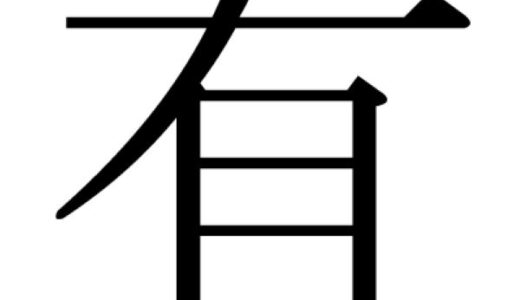
6. Understanding the Difference Between 在 and 有
When learning how to use 在, it’s also useful to understand the basic difference between 在 and 有.
Both can appear in sentences about places, but they serve different purposes.
在 identifies where a particular person or object is located.
有 introduces the existence or presence of someone or something at a location.
Examples:
书在桌子上。 / Shū zài zhuōzi shàng. / The book is on the table.
桌子上有一本书。 / Zhuōzi shàng yǒu yì běn shū. / There is a book on the table.
These two sentences describe a similar situation, but their focus is different.
Comparison Table: 在 vs. 有
| Feature | 在 (zài) | 有 (yǒu) |
|---|---|---|
| Basic meaning | To be at / in / on | There is / There are |
| Main focus | The location of a person or object | The existence of something at a place |
| Sentence pattern | Thing + 在 + Place | Place + 有 + Thing |
| Example | 书在桌子上。 | 桌子上有一本书。 |
| English translation | The book is on the table. | There is a book on the table. |
Easy way to remember: Use 在 when answering “Where is it?” Use 有 when saying “What is there?”
7. Common Mistakes and Practice Exercises
Common Mistakes When Using 在
Here are some mistakes beginners often make when using 在 to express location.
| Incorrect Sentence | Correct Sentence | Explanation |
|---|---|---|
| 我是家。 | 我在家。 | Use 在 to state a location. |
| 我不在是学校。 | 我不在学校。 | Do not add 是 to the 不在 structure. |
| 书在上桌子。 | 书在桌子上。 | The location word comes after the reference object. |
| 我学习在家。 | 我在家学习。 | The 在 + place phrase normally comes before the action verb. |
| 桌子上在一本书。 | 桌子上有一本书。 | Use 有 to express existence. |
Some alternative word orders are possible in special contexts or more advanced grammatical structures. However, beginners should focus on the basic, natural patterns shown above.
Practice: Fill in the Blanks with 在, 不在, or 有
Choose the correct word to complete each sentence.
- 我___家。
- 书___桌子上。
- 房间里___三个人。
- 他今天___学校。
- 我的手机___包里。
- 学校旁边___一家超市。
For question 4, choose the word that makes the sentence mean “He isn’t at school today.”
Answer Key
| Question | Answer | Explanation |
|---|---|---|
| 1 | 在 | I’m at home. |
| 2 | 在 | The book is on the table. |
| 3 | 有 | There are three people in the room. |
| 4 | 不在 | He isn’t at school today. |
| 5 | 在 | My phone is in the bag. |
| 6 | 有 | There is a supermarket next to the school. |
在 (zài) is an essential word in Mandarin Chinese, especially when talking about the location of people and objects or describing where an activity takes place.
To use 在 correctly, remember three basic points: 在 identifies where someone or something is; the 在 + location phrase usually comes before the main action verb; and 不在 is used to make negative location statements.
Additionally, combining 在 with location words such as 上, 下, 里, 前面, 后面, and 旁边 allows you to describe positions more accurately and naturally.
A simple way to practice is to look at the objects around you and describe their locations in Chinese. Try saying where your phone is, whether a book is on or under a table, or where a school is located in relation to another building.
With regular practice, these sentence patterns will become easier to recognize and use in everyday Mandarin conversations.